The Difference Between Furnished and Styled
A room can be fully furnished and still feel flat. Styling is what transforms a collection of furniture into a cohesive, inviting space that feels intentional and alive.
The good news? You don't need a professional designer to achieve a pulled-together look. These five principles guide every styling decision we make at Joel's, and they'll work in any living room.
1. Start With a Focal Point
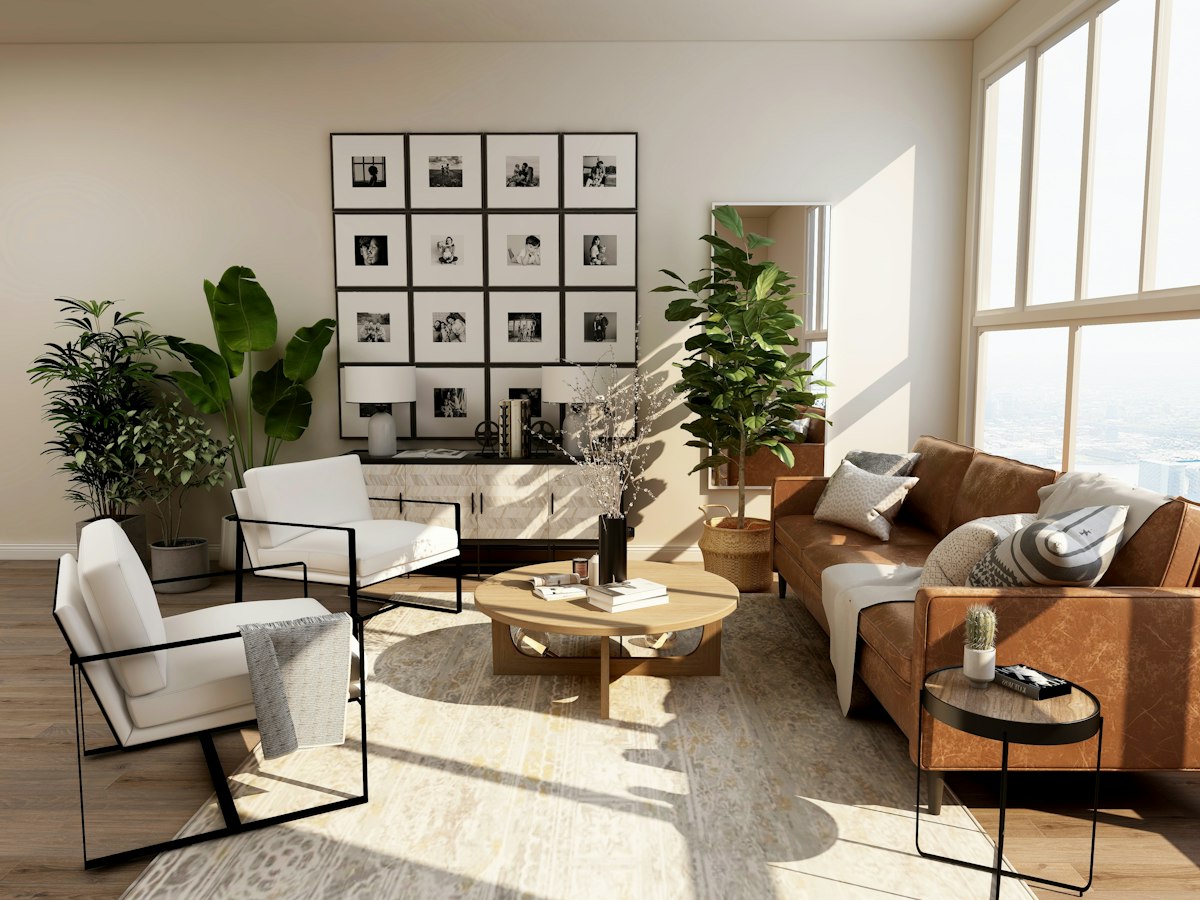
Every well-designed room has a visual anchor — a single element that draws the eye and organizes the space around it. In a living room, this is typically the sofa, a fireplace, or a large piece of art.
Once you've identified your focal point, arrange everything else in relation to it. Seating should face toward the focal point. Lighting should highlight it. The color palette should complement it.
"A room without a focal point is like a sentence without a subject — technically complete, but lacking direction." — Joel's Design Philosophy
If your sofa is the focal point, make it count. A beautifully upholstered piece in a rich fabric immediately elevates the entire room. Browse our sofa collection to see how a single statement piece can transform a space.
2. Layer Your Textures
Flat, uniform textures make a room feel one-dimensional. Layering different materials creates visual depth and tactile interest that makes a space feel rich and considered.
A formula that always works:
- Something smooth — polished wood, glass, or lacquer
- Something soft — velvet, chenille, or cashmere
- Something rough — natural fiber rugs, woven baskets, raw stone
- Something metallic — brass, gold, or brushed nickel accents
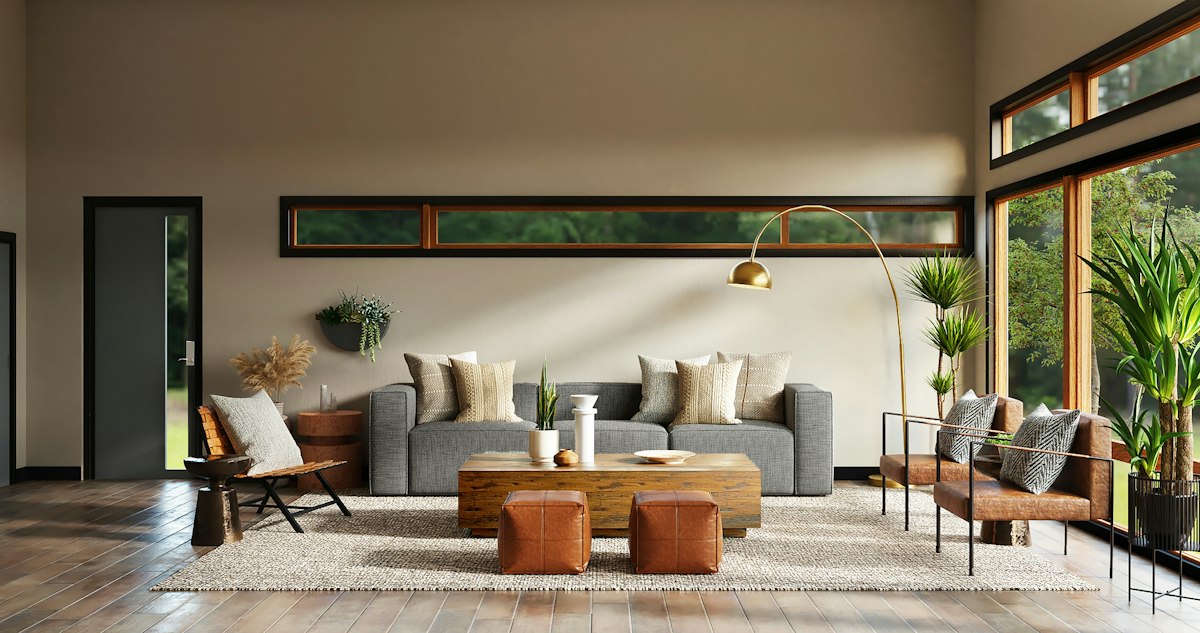
In practice, this might look like a velvet sofa on a jute rug, with a marble-topped coffee table, brass table lamp, and linen throw pillows. Each texture catches light differently, creating a room that changes subtly throughout the day.
3. Master the Art of Grouping
Accessories look strongest in curated groupings rather than scattered individually around a room. The key principles:
The rule of three. Odd-numbered groupings feel more dynamic and natural than even numbers. Three candles of varying heights, three stacked books topped with a small object, three framed photos in different sizes.
Vary height and scale. Every grouping should have a tall element, a medium element, and a low element. This creates visual movement that guides the eye upward and across.
Create triangles. When placing accessories around a room, imagine invisible triangles connecting them. This creates balanced sight lines without the stiffness of symmetrical placement.
On a coffee table, for example: a stack of two or three oversized books, a small sculptural object, and a low vase with greenery. Simple, but immediately polished.
4. Light in Layers
Lighting is the single most transformative element in any room, yet it's consistently undervalued. A beautifully furnished room under harsh overhead light will always feel less inviting than a modestly furnished room with thoughtful lighting.
The three layers:
- Ambient light provides overall illumination. This is your overhead fixture or recessed lighting, dimmed to a warm, comfortable level.
- Task light serves a function — a reading lamp beside a chair, a desk lamp in a work area.
- Accent light adds drama and warmth — table lamps on console tables, candles, uplights behind plants.
The goal is to have at least three light sources in your living room, at different heights. This creates pockets of warmth and shadow that make a room feel dimensional and atmospheric.
Always choose warm white bulbs (2700K–3000K) for living spaces. Cool white light belongs in kitchens and bathrooms, not in rooms designed for relaxation.
5. Edit Ruthlessly
This is perhaps the most important tip, and the hardest to follow. A luxury living room isn't one where every surface is covered — it's one where every object earns its place.
The editing test: Look at each item in your room and ask two questions. Does it serve a function? Does it bring you genuine pleasure to look at? If the answer to both is no, it's clutter — no matter how expensive it was.
Leave breathing room on surfaces. Let a beautiful piece of furniture speak for itself without being surrounded by competing objects. Allow negative space on walls between art pieces.
The most elegant rooms always have fewer things than you'd expect. Each element has room to be noticed and appreciated.
Putting It All Together
Start with one area of your living room — perhaps the coffee table or a console — and apply these principles. You'll be surprised how quickly the rest of the room begins to come together.
If you're looking for pieces that make styling effortless, explore our living room collection and home decor. Every piece we offer is designed to work beautifully in a layered, intentional setting.
Need personalized guidance? Our design consultation service can help you create a living room that looks and feels exactly right.